 Search
 Regions
 Support Us
 Donate
 1300 232 564

 5 mins read 19 October 2026
For Shirley Begg, War Widows Day is a meaningful opportunity to recognize women whose lives have been shaped by military service, loss and the strength to carry on.
Shirley’s connection to the Air Force began with her own service. She enlisted in the Women’s Royal Australian Air Force (WRAAF) as a telephone operator at 18. Her service ended in September 1957 when she left to marry her husband, Jack, as married women were not permitted to remain in the service at the time.
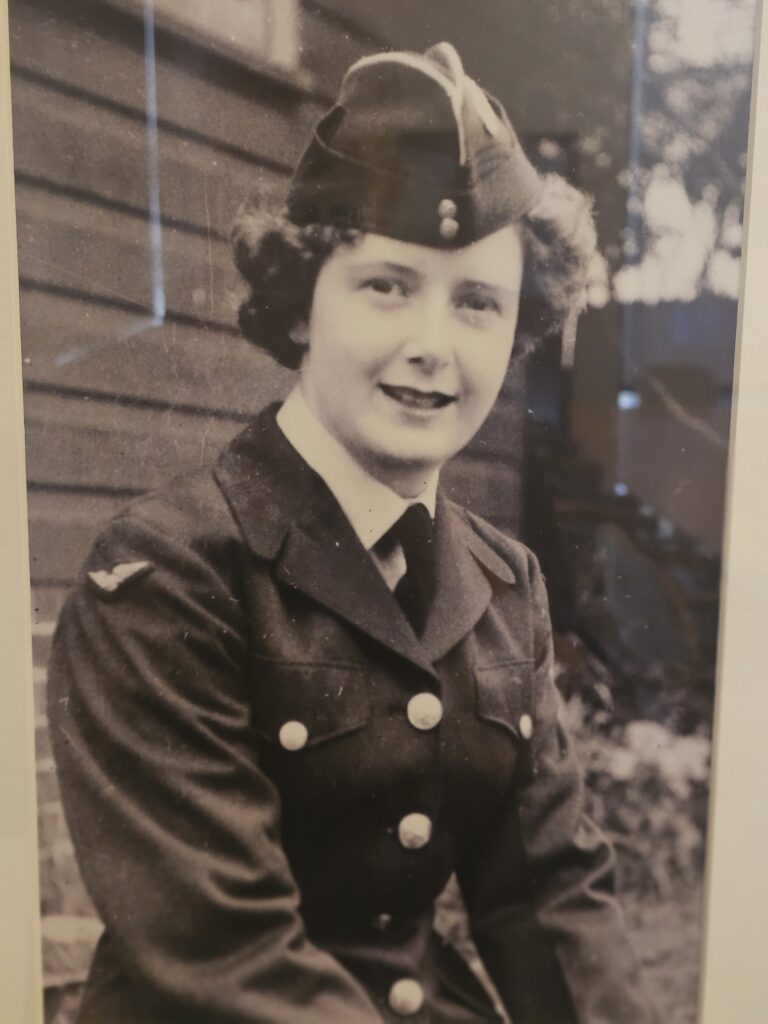
Her husband, Jack William Begg, joined the Air Force at 19 and served for 26 years. He trained as a wireless operator mechanic in Ballarat before serving during the Korean War, stationed at Iwakuni in Japan. His role involved travelling between Japan and Korea to repair equipment. After returning, Jack retrained as a telecommunications technician and was posted to the same base where Shirley was serving in Melbourne. Shirley remembers meeting Jack at Central Station while they were both on leave. Jack lived in Blacktown and Shirley in Wentworth Ville, and their relationship grew from there.
“He decided that he had to look after me because there were too many single men on the base,” Shirley recalled.
After they married, Shirley embraced life as an Air Force wife.
“I didn’t mind it at all. A lot of people didn’t like it, but I didn’t mind at all because I knew the way the Air Force worked.”
Military life meant moving between states and regularly leaving family and friends behind. As their children grew older, Shirley’s biggest concern was their education and the impact of changing schools. Despite the moves, she remembers her children as sociable and able to settle into their new surroundings. Being away from their relatives in Sydney also meant the Air Force community became another family.
“They got a new family, a whole heap of new grandparents. Everybody adopted us.”
Some of Shirley’s fondest memories are of Jack’s final years in the Air Force. By then, Jack was a Warrant Officer and their children were older, allowing the family to enjoy more of the social side of Air Force life. Through all the changes and postings, there is one quality Shirley remembers most clearly about Jack.
“He was a family man. His family came first. That’s what he wanted, the family.”
Finding connection after loss Jack passed away 11 years ago, and Shirley subsequently became part of the war widows community. For Shirley, meeting other widows introduced her to women with many different experiences, including those whose husbands had died during wartime and who had lived as war widows for much of their lives.
“It’s good to get to talk to other people. We understood one another.”
After Jack’s passing, Shirley knew she needed to continue building a life and community of her own.
“I had to make a life for myself. I had to get out and meet new people and do different things, get involved in the community here, which is what I’ve done.”
She became involved with her sub-Branch and Legacy, finding connection through volunteering and spending time with others.
“I love selling badges when they have their sales. Just getting involved and being with other people, that’s what I like doing.”
Shirley has lived at RSL ANZAC Village for 12 years, and being part of the RSL LifeCare community has provided another important source of connection.
“It’s good to talk to other people. We all understand what we’ve gone through. And we talk about what we could get through DVA and things like that.”
Looking back on her life, Shirley says some of her most meaningful memories are of the birth of her children and the family she and Jack created together.
The values that have stayed with her are equally straightforward.
“Honesty, being faithful, loyalty with my friends. Just be me.”
For Shirley, War Widows Day is particularly moving because it formally recognizes the experiences of war widows.
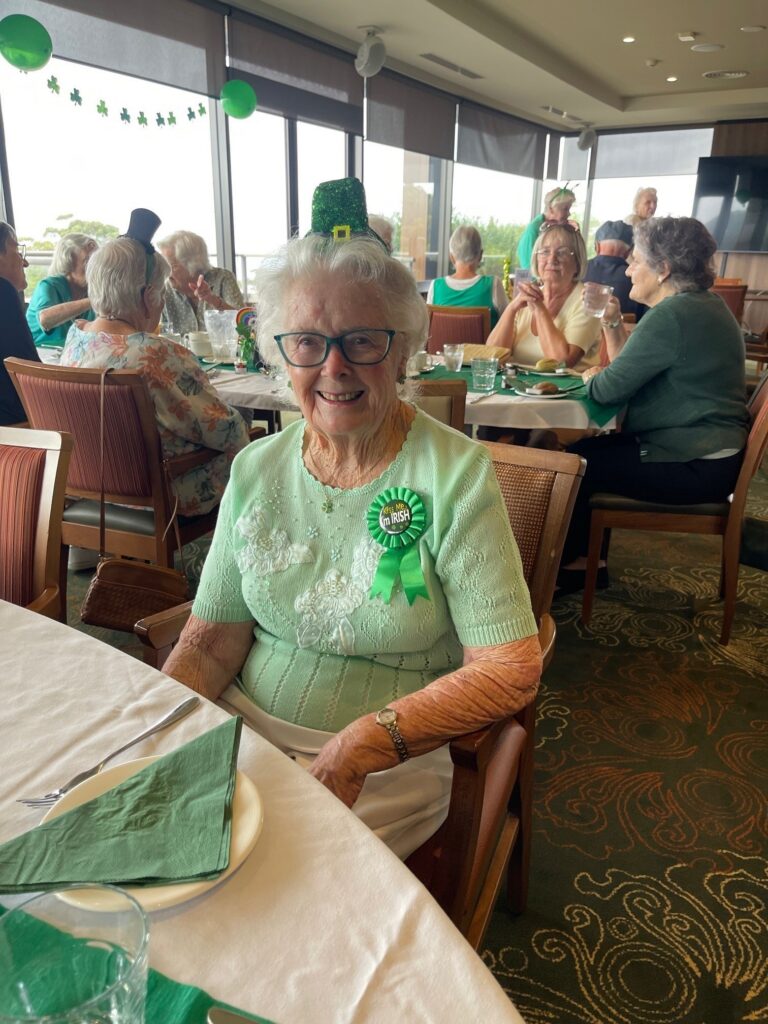
“It’s very, very moving to see that being recognised in such a way. It’s a very emotional feeling.”
She believes it is particularly important to remember the women who lost their husbands at a young age and continued raising their families without them. Shirley recalls knowing a woman who lost her husband while her children were still young and raised them through their teenage years.
“To think that she did it, as a war widow, just unbelievable.”
It is this shared understanding that Shirley values the war widows community. She encourages those experiencing loss to find connection with others who understand what they are going through.
“We’re people who lost their husbands, and we all understand one another.”
On War Widows Day, Shirley’s story reflects a life shaped by service, family, friendship and community, and honours the enduring experiences of war widows and the families who have shared in the sacrifices of military life.
Continue Reading
4 mins read 12 October 2026
25 Years Since Operation Slipper: Honouring Service and Recognising Sacrifice
Read More 3 mins read 25 September 2026
North Coast Veteran and Family Hub officially opens, expanding support for veterans and families
Read MoreDiscover our Services
Home Care
Retirement Living
Residential Care
Veteran Services
Download a brochure
We'll never share your email address and you can opt out at any time, we promise
Career Application Single
Ready to make a decision
but not sure where to start?
We can help.
-
 27 Retirement Living Villages across NSW & ACT
-
29 Residential Care homes across NSW & ACT
-
22 Home Care service locations across NSW & ACT
-
9 Dedicated Veteran & Family Hubs, offering free support for veterans
Ready to make a decision
but not sure where to start?
We can help.
-
27 Retirement Living Villages across NSW & ACT
-
29 Residential Care homes across NSW & ACT
-
22 Home Care service locations across NSW & ACT
-
9 Dedicated Veteran & Family Hubs, offering free support for veterans
Contact us today
Our friendly and caring team are ready to help you make a confident decision, and live your best life!