Search
 Regions
 Support Us
 Donate
 1300 232 564
 6 mins read 14 May 2026
Thinking about retirement living? Ready for your next chapter? Our guide to the top 7 things to look for in a retirement village helps you compare options, ask the right questions, and choose a community that feels like home – today and for years to come.
1. Location and accessibility
Start with the neighbourhood that suits your everyday rhythm. Close to family and friends makes catch‑ups easy, while a new area can be exciting if it’s well connected. Consider how different suburbs feel on weekdays and weekends.
Access matters. Look for reliable public transport, GP clinics, pharmacies, hospitals, and supermarkets nearby. Ask about village bus and travel times during peak and off‑peak periods. Local lifestyle is a bonus: parks, cafés, libraries, beaches and cultural venues add joy to your week.
Handy questions to ask:
- Is there a village bus? What are the travel times like during peak and off-peak periods?
- Where are the local cafés, parks, libraries?
- What other local venues are nearby?
2. Accommodation options
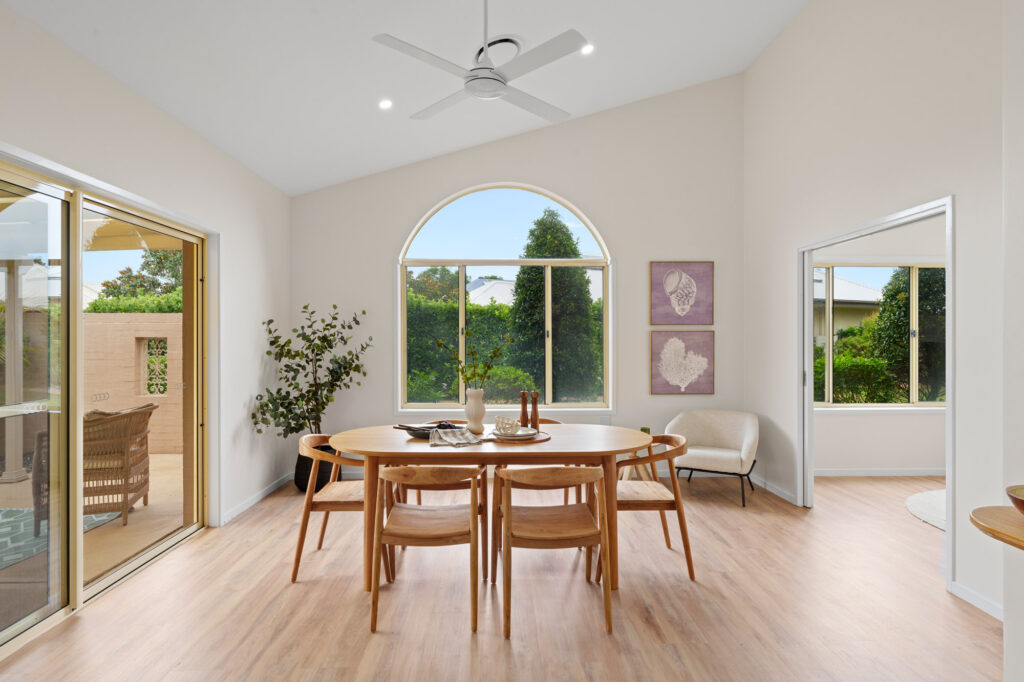
Comfort starts at home. Villages may offer apartments, villas, townhouses, and serviced apartments. Compare floorplans, storage, outdoor areas and parking. Choose designs that support ageing in place so you can stay independent longer.
Ask about personal touches: adding grab rails, installing air conditioning, etc. Clarify approvals and who pays for modifications. Safety features such as step‑free entry, wider doorways, non‑slip flooring, good lighting and emergency call systems should be standard. Check sound insulation, ventilation and energy efficiency to keep running costs sensible.
Handy questions to ask:
- What changes can I make (e.g., grab rails, A/C)?
- What approvals are needed?
- Who pays for modifications?
- What accessibility features are standard?
- Is there an emergency call system?
- How good is the sound insulation?
- How is ventilation handled?
- How energy-efficient is the home?
3. Community and lifestyle
Great retirement living communities feel warm, friendly, and inclusive. Review the activities program: fitness, walking groups, gardening, arts and crafts, book clubs, workshops, excursions and volunteering. Find the right mix that matches your preferred activities and levels of engagement and supports wellbeing.
Explore how residents connect. Are there welcome programs, resident committees, and cultural events? Visit during an activity and on a quieter day. Chat with residents, meet the team, and spend time in shared spaces. Check pet policies and guest accommodation so loved ones feel welcome.
Handy questions to ask:
- How do residents connect with each other?
- Is there a welcome program?
- Are there resident committees?
- What are the pet rules?
- Is guest accommodation available?
4. Financial considerations
Clarity brings peace of mind. It is always recommended to seek professional guidance before entering into a contract. Consider impacts on Age Pension entitlements and cash flow, ask about how and when fees are increased. A transparent, predictable model makes choosing a retirement village feel straightforward.
Costs will vary by provider, as will contract structures. Initial costs usually include an upfront entry payment, also referred to as an ingoing contribution. Ongoing fees generally cover maintenance of common areas, facilities, insurance and staff. Ask what’s included and whether there’s additional services or facilities that the village offers which aren’t included in your ongoing fees.
Read contracts carefully. Understand any ingoing contributions, deferred management fees and departure fees, other costs on departure, selling arrangements, and whether capital gains are shared and in what capacity. Legislation varies in each state, so make sure you seek independent legal advice.
Handy questions to ask:
- What’s the ingoing contribution?
- What do ongoing fees cover – and what’s extra?
- How and when do fees increase?
- What are the exit costs, and do I share capital gains?
5. Care and support services
Your needs may evolve, so it helps when support is close at hand. Some retirement living operators also offer in‑home care as an additional service, which can include visiting allied health and scheduled nursing. Others are co‑located with residential care homes for a smoother transition if required.
Ask how care is accessed, who provides it and the costs involved. Confirm emergency response procedures and typical response times. A good provider will guide you through government‑funded services and help with assessments and referrals.
Handy questions to ask:
- What care is available, and how do I access it?
- What does care cost?
- What are emergency response times?
- Can you help with government-funded services and assessments?
6. Facilities and amenities
Choose amenities you’ll genuinely use. Common amenities may include community centres, pools, gyms, libraries, workshops, cinemas, and BBQ areas. Inspect the condition, check opening hours and supervision, and ask how maintenance is managed.
Quality outdoor spaces elevate daily life. Look for accessible paths, shaded seating, well‑kept gardens and secure storage for bicycles or mobility scooters. Reliable Wi‑Fi in shared areas helps you stay connected with family and friends.
Handy questions to ask:
- Which amenities are included?
- Are outdoor areas accessible and shaded?
- Is there secure scooter/bike storage and reliable Wi‑Fi?
7. Management, governance and transparency
Strong management creates a safe, friendly village. Ask about the operator’s experience, resident satisfaction, complaints process, and how feedback leads to improvements. If you can, review meeting minutes and chat with resident committee members.
Transparency builds trust. Ensure village budgets are easy to understand. Check that the village is registered and compliant with relevant state or territory legislation. Clear, consistent communication is a sign of good stewardship – vital when weighing the top 7 things to look for when choosing a retirement village.
Handy questions to ask:
- How long has the operator managed villages?
- How is resident satisfaction measured?
- What’s the complaints process?
- Are budgets clear and compliance up to date?
When choosing a retirement village, take your time, involve family, and seek independent advice. By keeping the top 7 things to look for when choosing a retirement village front of mind, you’ll be equipped to find a place where you feel secure, connected, and truly at home.
Why consider RSL LifeCare
RSL LifeCare offers welcoming retirement living communities across NSW and the ACT, blending comfortable homes with vibrant social life and support when you need it. From well-designed homes and transparent fees to friendly teams and trusted care pathways, our retirement living approach is all about living well – today and tomorrow.
If you’re exploring the best retirement living options, we’re here to help you compare retirement village features, tour local communities and make a confident, informed decision.
 |
 |
 |
Click here to learn about retirement living at RSL LifeCare
Explore retirement living near you
Looking for a village close to family, friends and the places you love? Browse our retirement living communities by region:
Continue Reading
3 mins read 25 September 2026
North Coast Veteran and Family Hub officially opens, expanding support for veterans and families
Read More 2 mins read 3 September 2026
RSL LifeCare secures $2.25 million to strengthen veteran claims and advocacy support
Read MoreDiscover our Services
Home Care
Retirement Living
Residential Care
Veteran Services
Download a brochure
We'll never share your email address and you can opt out at any time, we promise