 Search
 Regions
 Support Us
 Donate
 1300 232 564
 4 mins read 22 April 2026
“I was born on 20 January 1953 in Bathurst, but my story really begins in Gulgong. I was adopted as a baby by Nina and Alexander Seis, wheat and cattle farmers who also adopted my sister Janet. When I was five, we moved to Binnaway, where I went to school until sixth class, before another move saw us settle between Neilrex and Coolah. I started high school there in a tiny school of just 15 students, spending weekends playing rugby league and cricket.
At 16, life changed abruptly. My father was diagnosed with a tumour, and I left school to help run the farm. We had cattle, sheep, pigs, and 2,000 acres of wheat. Dad’s brothers helped where they could, but when his health worsened, the farm was sold. He passed away in 1972, and at 19 I was working long hours driving cattle trucks to support my mum and sister.
Not long after, another turning point followed. After being brought before a magistrate, I was given a clear choice: six months in gaol or three years in the Army. I chose the Army and joined the Catering Corps. It wasn’t a typical start to military life, but it set me on a path that would stay with me for decades. During those early years I was posted to South Head and later spent time in Darwin following Cyclone Tracy, where Australia’s armed services played a vital role in disaster relief.
When my initial enlistment ended, I returned to civilian life, working on farms and later on road construction and earthworks. But something was missing. I missed the mateship, the sense of belonging, and the teamwork that came with Army life. So I rejoined.
After further training, I was posted to the School of Military Engineering at Moorebank and then to Townsville with 18 Field Squadron, working as a driver and field engineer. Over time, my roles expanded to include plant operation, semi‑trailer driving, and construction work with the 17th Construction Squadron—whose motto, fittingly, was “A Little Bear Will Fix It.”
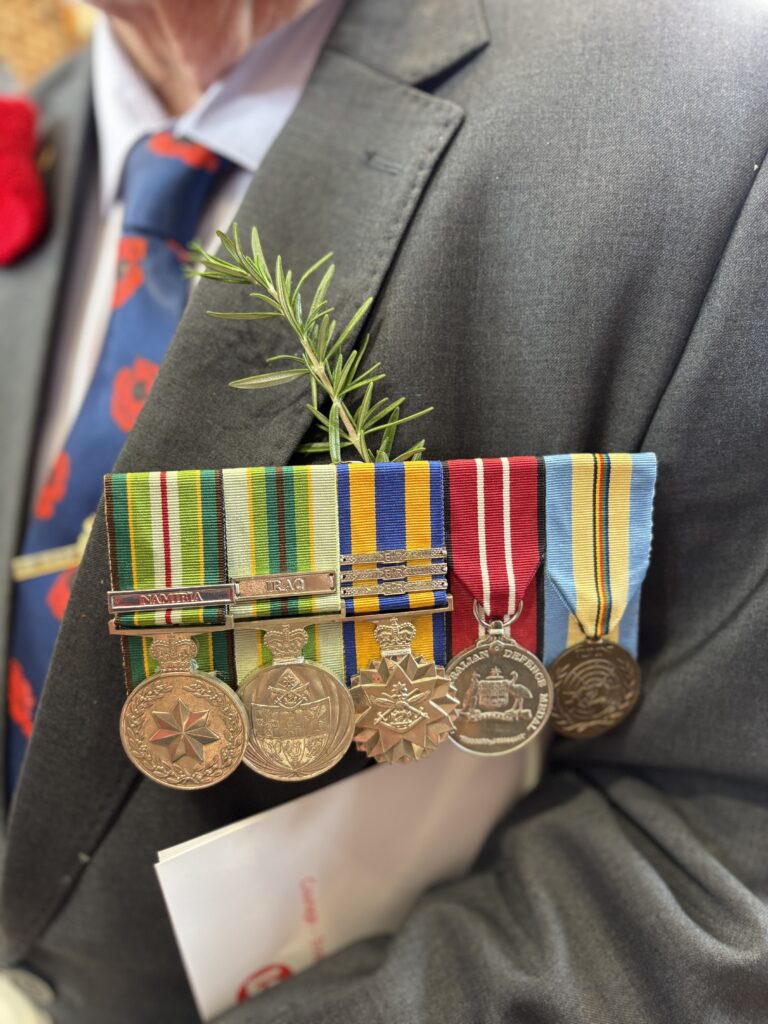
My service took many forms. In the early 1990s, I was part of the team that helped turn bushland into the Scherger RAAF airfield near Weipa—building runways, roads, hangars, and even a tent city. From Indigenous housing projects in remote communities like Oak Valley and Docker River, to peacekeeping and support operations in Namibia, Iraq, and East Timor, the work was demanding but meaningful. Not all military service happens on the front line, and I’m proud that our skills were often used to help communities, rebuild after disasters, and support others in need.
In 2000, I began what would become a long‑term posting of 16 years at the School of Military Engineering, Moorebank. I worked as an earth‑moving operator, instructor, and later Maintenance Manager. Along the way, I also drove semi‑trailers in the civilian world, hauling everything from bread and bulk goods to bricks and concrete panels. I stayed connected to service through the Army Reserve until ill health forced me to fully retire in 2016.
Life after service wasn’t easy. A series of personal challenges took a heavy toll. For a time, things spiralled. In 2017, through my psychiatrist and the Baulkham Hills RSL Club, I was introduced to RSL LifeCare and the Homes for Heroes program. That connection changed my life.
I joined Homes for Heroes and spent 12 weeks in the program before a unit became available in Beersheba at RSL LifeCare Narrabeen. For the first time in a long while, I felt safe. I took part in equine therapy, surfing, golf days, and volunteered around the village. The sense of purpose returned.
Health challenges continued—heart surgery in 2018 was a major setback—and I spent time back in Gulgong and later Mudgee helping family and picking up odd jobs. But by 2023, I knew where I belonged. I reached out again and was welcomed back to Beersheba. This village is my safe haven.
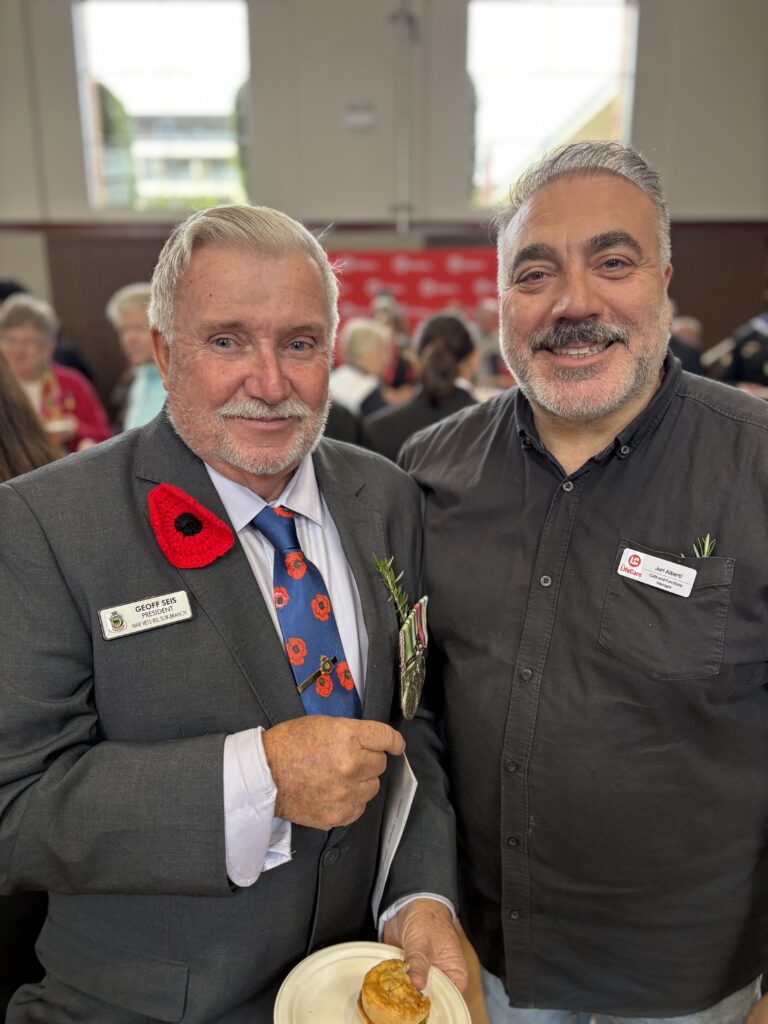
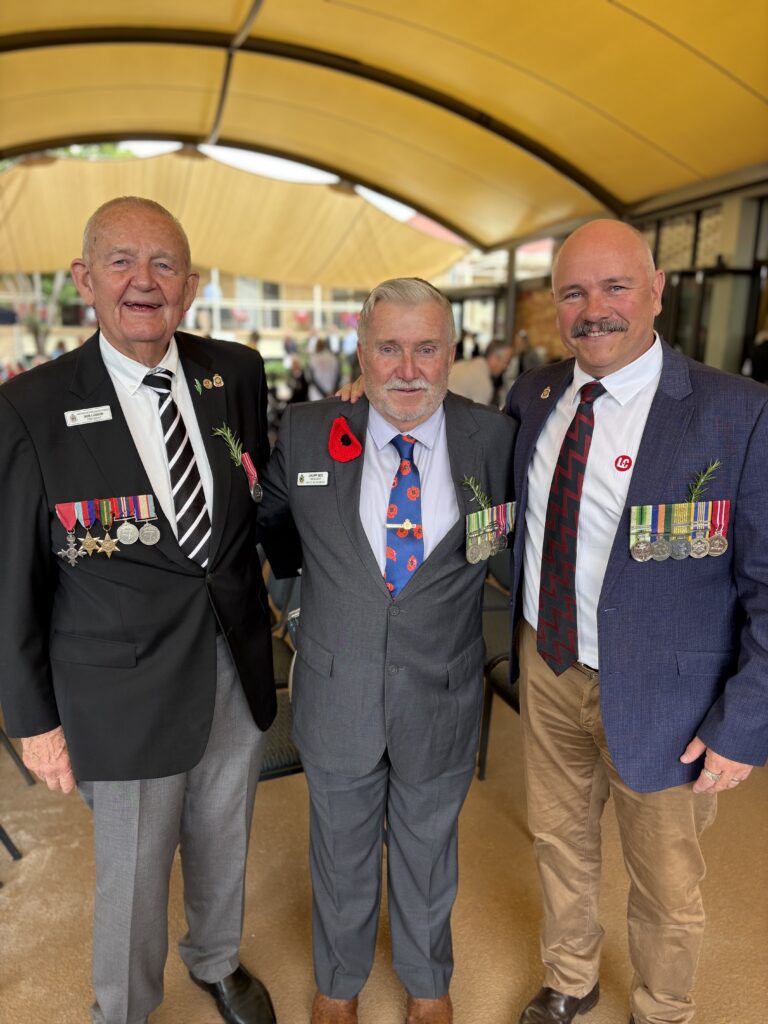
Today, I’m proud to be the War Vets RSL Sub‑Branch President at Narrabeen. I volunteer in the chapel, enjoy weekly outings with the chaplain, and spend time with the Homes for Heroes blokes—sharing stories, checking in on one another, and offering support where I can. I’ve even found joy in building Lego models, some of which were displayed at the Village Expo recently.
What I value most here is the camaraderie and the sense of security. At RSL LifeCare, I’m surrounded by people who understand service, resilience, and mateship. If there’s one message I’d share this ANZAC Day, it’s this: support your fellow veterans. We’re stronger when we look out for one another.”
— Geoff Seis, RSL LifeCare Resident, Veteran, and War Vets RSL Sub‑Branch President
Continue Reading
4 mins read 12 October 2026
25 Years Since Operation Slipper: Honouring Service and Recognising Sacrifice
Read More 3 mins read 25 September 2026
North Coast Veteran and Family Hub officially opens, expanding support for veterans and families
Read MoreDiscover our Services
Home Care
Retirement Living
Residential Care
Veteran Services
Download a brochure
We'll never share your email address and you can opt out at any time, we promise

Career Application Single
Ready to make a decision
but not sure where to start?
We can help.
-
 27 Retirement Living Villages across NSW & ACT
-
29 Residential Care homes across NSW & ACT
-
22 Home Care service locations across NSW & ACT
-
9 Dedicated Veteran & Family Hubs, offering free support for veterans
Ready to make a decision
but not sure where to start?
We can help.
-
27 Retirement Living Villages across NSW & ACT
-
29 Residential Care homes across NSW & ACT
-
22 Home Care service locations across NSW & ACT
-
9 Dedicated Veteran & Family Hubs, offering free support for veterans
Contact us today
Our friendly and caring team are ready to help you make a confident decision, and live your best life!