 Search
 Regions
 Support Us
 Donate
 1300 232 564
 4 mins read 13 February 2026
Companionship changes lives. Bringing animals into aged care creates moments of joy, comfort and calm that ripple through each day. The benefits of pet therapy in aged care are wide-ranging: easing loneliness, encouraging gentle movement and sparking meaningful conversations that strengthen our communities.
Understanding Pet Therapy
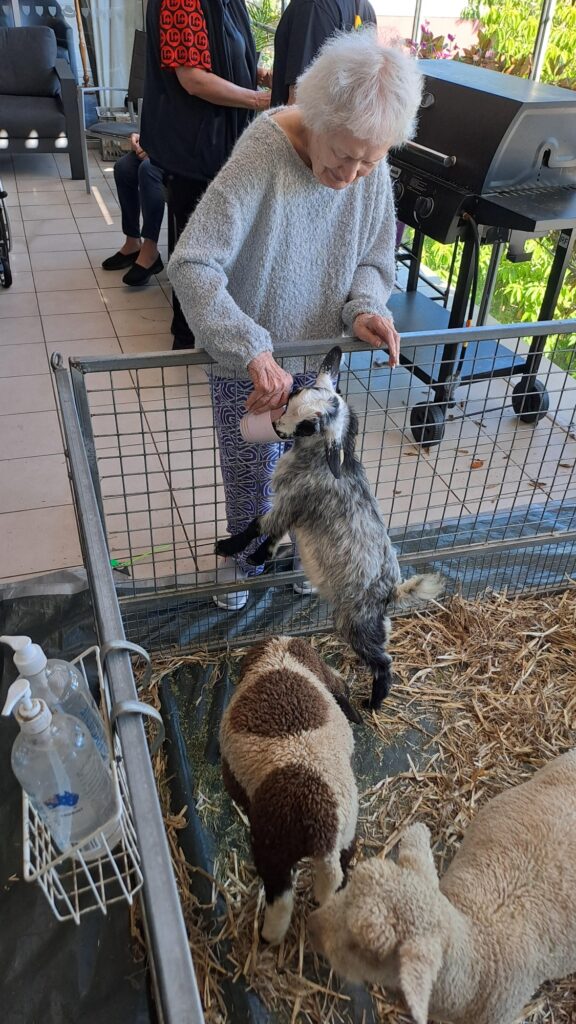
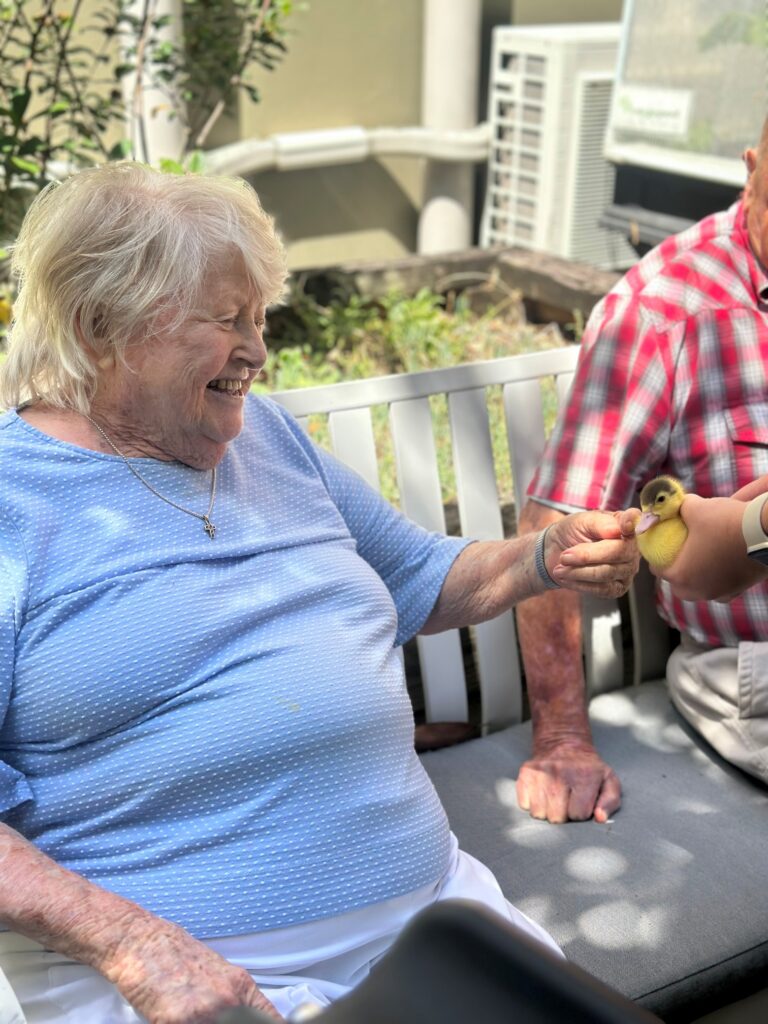
Pet therapy, also known as animal-assisted therapy or animal-assisted activities, pairs trained animals and skilled handlers with residents who have an interest in animals. Sessions focus on safety, consent and respect for both the person and the animal, and are aligned with each resident’s interests and preferences. Depending on preferences, pet therapy can encourage relaxation, memory recall, social connection or light physical activity.
In practice, pet therapy in aged care may include scheduled visits, small group activities and one‑to‑one time. Residents may enjoy gentle patting or reminiscing about past pets. Others take part in guided walks with support or simply share a quiet moment. Team members work closely with handlers to ensure sessions are accessible, culturally appropriate and tailored to clinical needs. This helps deliver consistent pet therapy benefits across our residential care homes.
Qualified professionals are central to safe and effective animal therapy in residential care homes. Experienced handlers work alongside allied health practitioners, including recreational therapists. Together, they design sessions, monitor resident responses and uphold infection control and animal welfare standards. Therapy animals are temperament‑tested, vaccinated and well groomed before visits. Handlers also follow clear protocols to protect everyone’s health.
Benefits of Pet Therapy in Aged Care
- Emotional and Psychological Well-being: Interacting with pets can significantly alleviate stress and anxiety, providing comfort and companionship that lift spirits and combat loneliness. For residents with dementia, these interactions can stimulate positive memories and reduce feelings of agitation.
- Enhancement of Physical Health: Engaging with pets encourages gentle physical activity such as petting, walking, and playing, which can improve circulation, enhance mobility, and potentially lower blood pressure. These activities are tailored to each resident’s abilities, ensuring a safe and beneficial experience.
- Boosted Social Interaction: Pets serve as wonderful social catalysts, prompting conversations and interactions among residents, team members, and visitors. This social engagement fosters a sense of community and belonging, encouraging participation in group activities and shared experiences.
- Cognitive Stimulation: Pet therapy offers cognitive benefits by engaging residents in activities that stimulate the mind. Observing and interacting with animals can enhance attention, memory, and problem-solving skills, offering mental stimulation in a joyful setting.
- Emotional Resilience and Joy: The presence of animals can evoke joy and laughter, contributing to a more positive outlook on life. This joy can enhance emotional resilience, helping residents better manage daily challenges and improving their overall quality of life.
Types of Animals Used in Pet Therapy
Dogs are the most common therapy animals thanks to their trainability and people-focused nature. In particular, calm dogs adapt well to varied environments and respond to handler cues and resident needs. Other suitable animals include birds, rabbits and guinea pigs. For example, birds invite engagement through song and observation, while rabbits and guinea pigs provide soft, tactile comfort. Selection is guided by individual preferences, sensory needs and care plan goals, ensuring animal therapy in residential care homes feels personal and purposeful. Suitable therapy animals have predictable temperaments, documented health screening and vaccinations, and tolerance for mobility aids and varied sounds. They respond calmly to touch and handler guidance and can disengage if a resident becomes distressed. Handlers schedule rest periods, offer water and watch for signs of stress, thereby protecting animal welfare while enhancing pet therapy benefits for residents.
Pet Therapy in RSL LifeCare Communities
RSL LifeCare integrates pet therapy across residential care homes and veteran communities. Importantly, our programs align with recreation and engagement calendars and clinical priorities, with sessions offered in community rooms, gardens and quiet rooms. Participation is optional and guided by consent and personal preferences, and robust infection control, like hand hygiene before and after contact, is standard practice. This consistent approach ensures the benefits of pet therapy in aged care are delivered safely and meaningfully to all our residents.
Residents often describe pet visits as the highlight of their week. In many cases, they share stories of calmer afternoons and improved sleep following sessions. For example, one veteran told us that walking with a therapy dog helped restore balance and confidence after a hospital stay. At the same time, families also notice meaningful changes, with loved ones who are usually withdrawn becoming more talkative during and after visits. Together, these experiences reflect the heart of pet therapy for seniors: connection, comfort and confidence.



Continue Reading
2 mins read 19 March 2026
Community Services Day in Queanbeyan: A celebration of service, spirit and shared purpose
Read MoreDiscover our Services
Home Care
Retirement Living
Residential Care
Veteran Services
Download a brochure
We'll never share your email address and you can opt out at any time, we promise

Career Application Single
Ready to make a decision
but not sure where to start?
We can help.
-
 27 Retirement Living Villages across NSW & ACT
-
29 Residential Care homes across NSW & ACT
-
22 Home Care service locations across NSW & ACT
-
9 Dedicated Veteran & Family Hubs, offering free support for veterans
Ready to make a decision
but not sure where to start?
We can help.
-
27 Retirement Living Villages across NSW & ACT
-
29 Residential Care homes across NSW & ACT
-
22 Home Care service locations across NSW & ACT
-
9 Dedicated Veteran & Family Hubs, offering free support for veterans
Contact us today
Our friendly and caring team are ready to help you make a confident decision, and live your best life!